



Hiring is hard. Retaining skilled staff? That’s the real test.

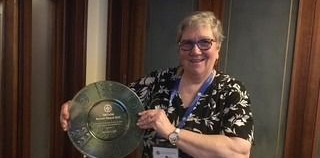
International Women’s Day invites us to pause. To reflect and to take action. UN Women Australia’s theme for 2026, Balance the Scales , challenges us to confront the structural barriers that still limit equality, safety and fairness for women. In Australia’s healthcare sector, the imbalance is clear. Women make up around 74% of the health workforce a s a whole, delivering care, supporting patients and holding the system together every day. Yet when we look at who leads our healthcare organisations, the picture shifts. According to the Australian Academy of Health & Medical Sciences , leadership teams still don’t reflect the people powering the sector citing that women make up just 26% of leadership roles. A workforce powered by women . Women make up the overwhelming majority of Australia’s healthcare workforce. This is particularly visible across nursing , midwifery, allied health and community care , where women deliver frontline care, support patients and keep the system running day to day. They are, quite literally, the backbone of the workforce. Yet despite this strong representation, the same balance is not reflected in leadership. According to data from the Workplace Gender Equality Agency , women hold just 19.4% of CEO roles and 32.5% of key management positions nationally , highlighting the gap between who powers the sector and who leads it. Healthcare is no exception. While nearly 90% of Australia’s nursing workforce is female , leadership roles remain far less representative; even in sub sectors where they make up the majority of the workforce. Balancing the scales through fair, consistent recruitment . To create leadership teams that reflect the people delivering care, organisations need recruitment processes that are transparent, inclusive and consistent. From our experience here at MAYDAY Healthcare, these five practical steps make a meaningful difference: Use a standardised recruitment process - ensuring every candidate is assessed against the same criteria and interview structure. Form diverse interview panels - bringing multiple perspectives into decision making and reducing unconscious bias. Advertise roles inclusively - using neutral language and highlighting flexibility to attract a broader, more representative talent pool. Develop internal leadership pathways - giving existing staff access to sponsorship, development, and stretch opportunities. Document and review hiring decisions - creating transparency and accountability in how leaders are selected. A leadership team that reflects the workforce . Healthcare is built on empathy, diversity and service. Leadership should reflect those same values. When executive teams mirror the workforce, organisations benefit from stronger culture, better decision making, and improved patient outcomes. Balancing the scales isn’t about favouring one group over another—it’s about ensuring the systems we use to select leaders are fair, consistent and aligned with the reality of today’s healthcare workforce.

Many healthcare professionals delay making a move because they fear starting from scratch. New systems. New expectations. New risks. But a career change in healthcare doesn’t have to mean starting again - it often means redirecting your experience. You’re more transferable than you think Clinical skills, communication, adaptability and decision-making travel well across healthcare settings. We regularly help candidates move: From hospital to community or aged care From residential to home care or NDIS From clinical roles into leadership, education or coordination From full-time burnout to flexible contract work Your experience still counts; it just needs the right setting. The smartest way to explore options You don’t need to resign to explore what else is out there. Start with: A confidential conversation Understanding how your skills translate across sectors Exploring short-term or trial roles Getting honest insight into pay, workload and expectations A good recruiter won’t push you, they’ll guide you. What candidates tell us after making the move “I didn’t realise how much better work could feel.” “I still care just as much, I’m just not exhausted.” “I wish I’d done this sooner.” The right role doesn’t drain your passion but it does protect it. Your next step doesn’t have to be big. Sometimes the best career move is a small one: a different team, better leadership, more flexibility or a role that fits your life now, not five years ago. If you’re curious, we’re here. No pressure. Just a team that cares about your career.